5 Things to look for when choosing a front door
Have you ever thought about the different styles of front doors and the variety of options that are out there for a homeowner? Often the homeowner just looks at the design and doesn’t think about the other important aspects of a front door. However, there are several things to take into consideration when deciding which front door you want.
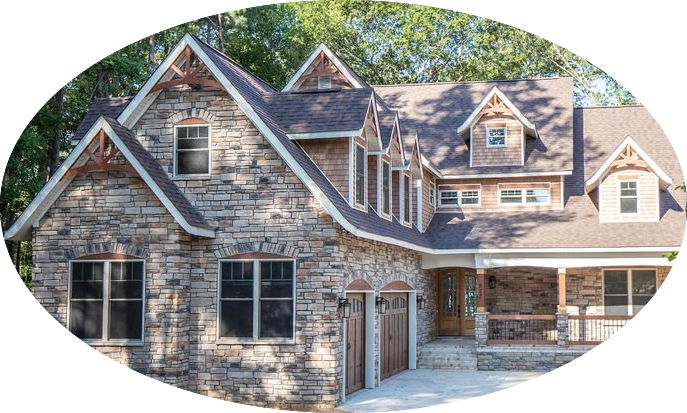
Choosing a front door is not as simple as it sounds.
Here are 5 things to look for when choosing a front door:
- Material:
Steel – This is the strongest and can be veneered with wood for staining.
Wood – This is the classic look for front doors and is typically the most expensive looking. It can be easily repaired but has more upkeep with stain or paint.
Fiberglass – This is the most common but also the most expensive. A fiberglass door is not impact resistant. It can be painted or stained.
Glass – A glass door brings the outdoors in. It can be made more secure with bulletproof glass and it allows for good thermal retention with upgraded add-ons.
Energy Efficiency: The most energy efficient is a fiberglass door with polyurethane foam core. Then, a steel door with foam insulation is the next best for energy efficiency. The least energy efficient door is a wood door because it reacts more to humidity and temperatures. It has half the R-value of steel and fiberglass.
- Security:
Locks– A deadbolt is the minimum for security and you need to make sure the bolt extends 1” into the frame. Also, the frame must be reinforced with a reinforced strike plate with 3” long screws protruding into the framing which is very secure when activated.
Another type of lock is the lever lock with a 3 or 5 point locking mechanism. Jimmy Proof Deadbolt is a two piece old school dead bolt that your grandma and grandpa used to use.
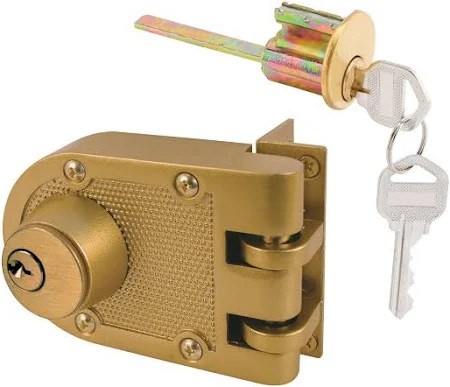
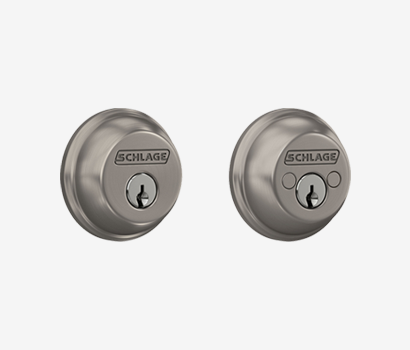
Double cylinder deadbolt for added protection with glass doors. This deadbolt keeps intruders from breaking the glass and unlocking the door because it doesn’t have a thumb turn. You need a key to unlock the door from the inside and outside. However, this can be a hindrance when trying to escape quickly during an emergency such as a fire because you will need to find the key to unlock the door from the inside. Another pro for this type of deadbolt is if it is installed on a back door in a house with a pool, it can be used to keep young children from unlocking the door and getting outside. Schlage and Baldwin offer many options for these products.
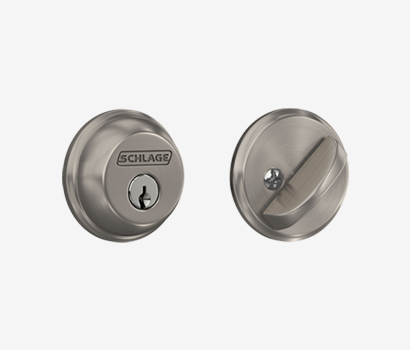
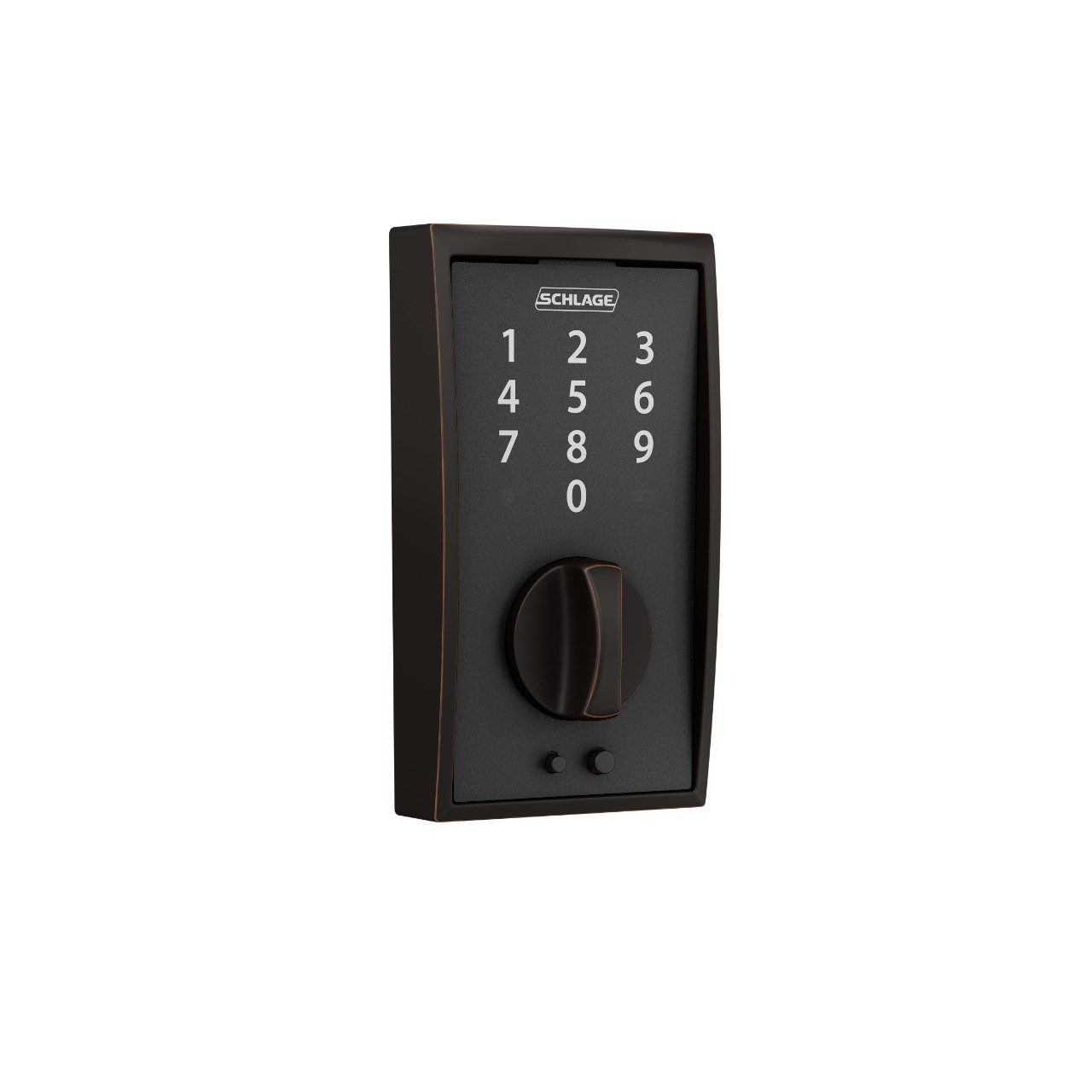
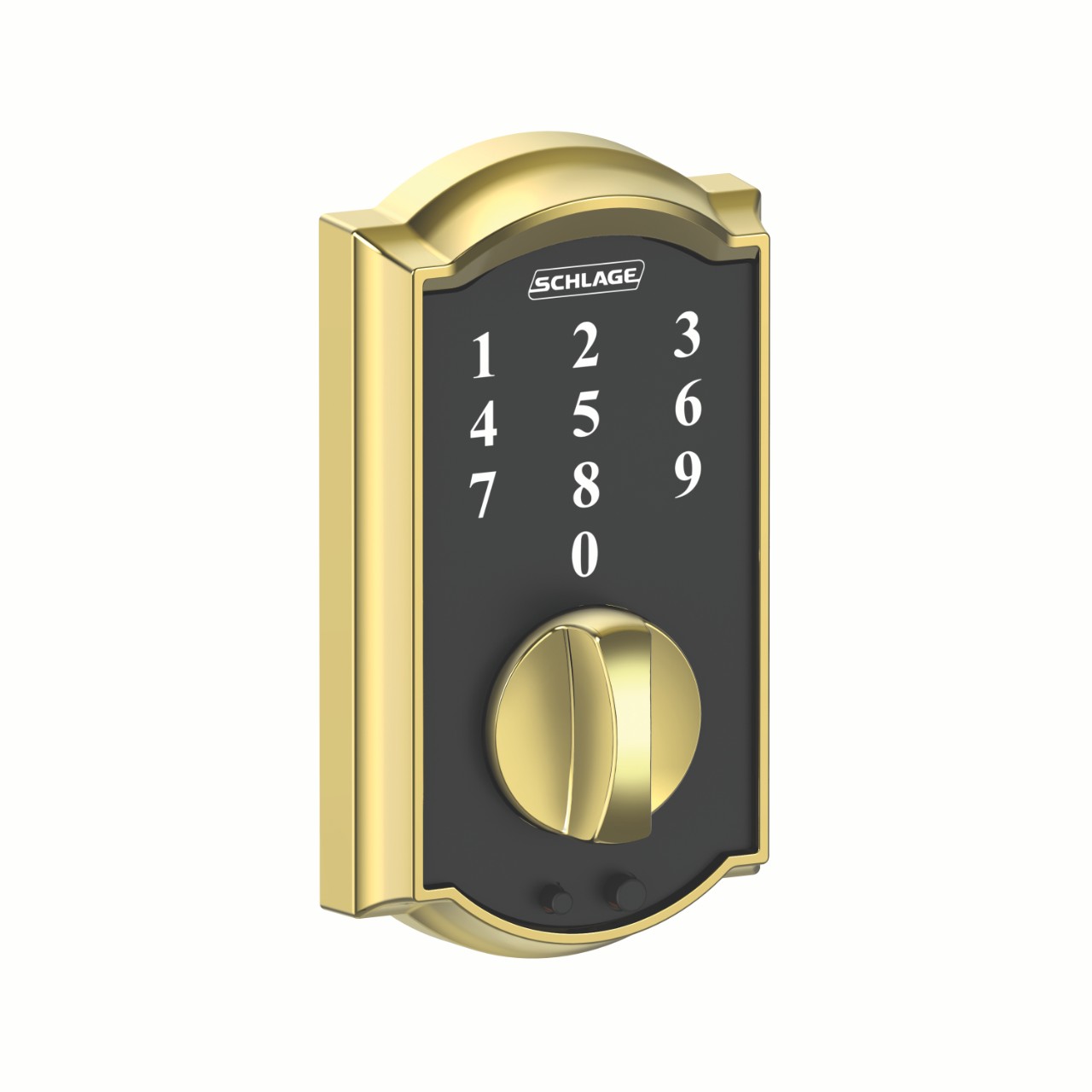
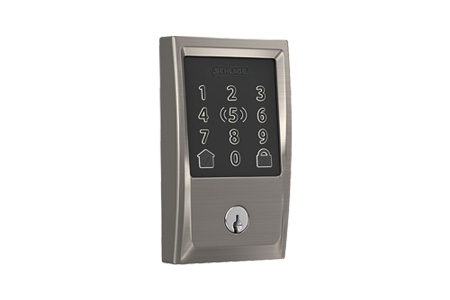
Keyless electronic deadbolt can be convenient since you don’t need to worry about having keys or hiding a key under a stone or potted plant. They can use facial recognition, PIN codes and biometric authentication so only authorized people can enter. In addition, they can also be programmed with access codes that allow you to track who is entering the home.
Smart Lock is a device that uses Bluetooth or WIFI to secure your home. It allows homeowners to enter the house without a key and is usually managed by a phone app. The pros are no keys are needed for every family member, you can allow people (service workers) to gain access to your home while you are not there and lock the door when they leave. They also have notifications that let homeowners know when people arrive and depart. The con for a smart lock is that the technology doesn’t always work. For example, your WIFI doesn’t work, or app is down. Also, since these work on batteries, those can sometimes go dead and need to periodically be changed out. They can also be hacked since smart locks work over the web.
Hinges – Heavy duty hinges with long screws into framing. Ball bearing hinges are the most durable. Other types of hinges are the security hinges and solid core construction.
Peephole, door viewer, or camera doorbell for added security.
For glass doors, you can add opaque glass or blinds.
Security bar or chain, a flip lock (like in hotel rooms), hinged bar lock. For added security you can add a floor mounted door stop system.
In most cases all these fail-safes can be breached, however, they will give you precious seconds during a break-in to set off the security system, to call the police and to protect you and your loved ones properly.
- Swing:
Inswing – Pros of an inswing door are space, hinges aren’t as accessible, easier to open in the snow and can use bodyweight to close. Cons of an inswing are easier to kick in, more vulnerable to weather, like wind and rain.
Outswing– Pros of an outswing door are better protection from wind and rain and harder to kick in. Cons of an outswing door are that the hinges are outside for less security, unless it has security pins or nonremovable hinge pins. Also, in areas that get snow, it can be hard to open.
- Color:
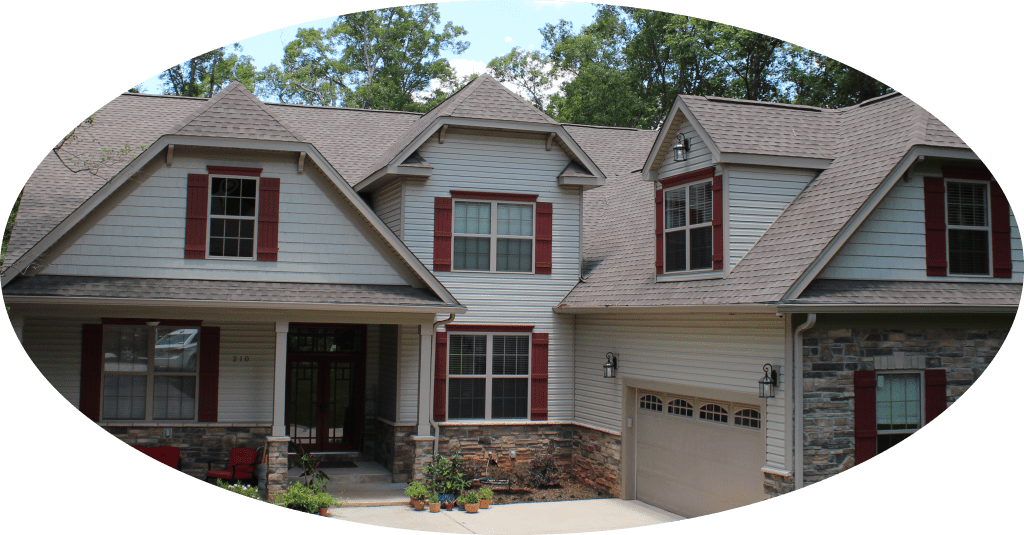
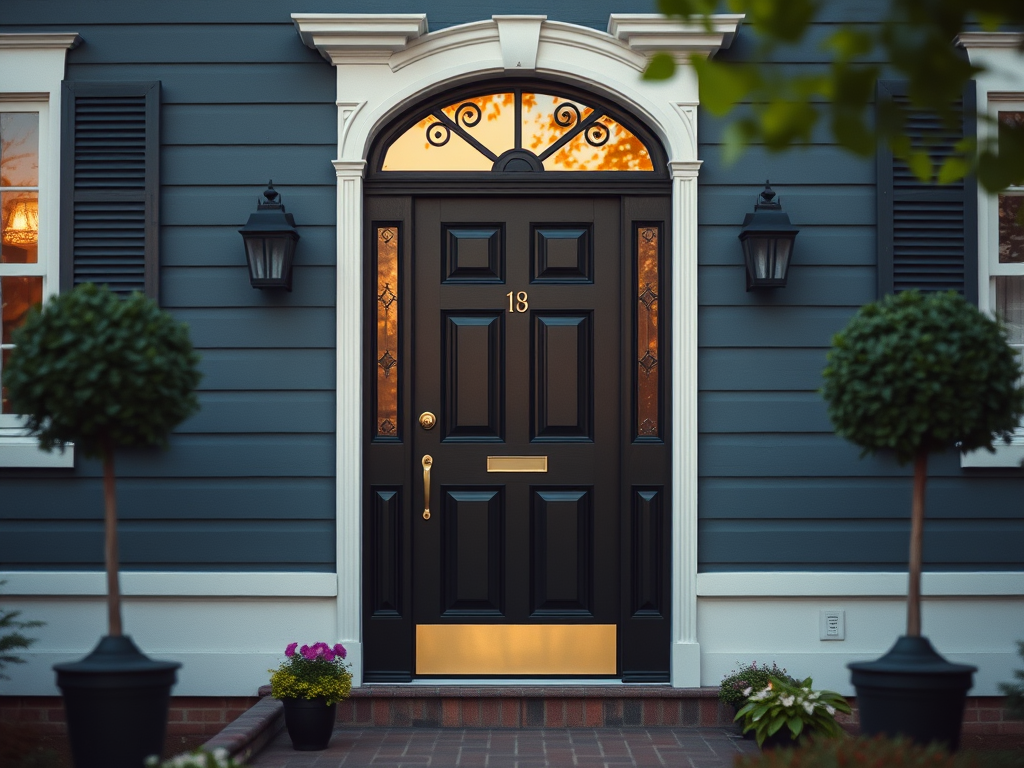
Traditional home styles look good with dark blue, deep red or dark greens. Modern homes have more bold colors like bright yellow, black or light blues. A bold front door color on a more subdued exterior adds curb appeal. Also, bold colors work well with a neutral house exterior. However, a dark home needs a lighter color front door. Black adds the most value with an average increase of $6500 in home value. Classic colors like white, black, dark gray or dark brown are timeless. Dark red and dark blue are more versatile and work with most houses.
Front door paint – Use exterior paint that is oil based which is more durable than latex. It also adheres better to metal. Oil produces a hard, glossy and smooth finish but is harder to apply for a DIYer.
- Value:
A new front door can easily return 75% of your investment. Black gets the most return on investment. Furthermore, the right front door can increase energy efficiency, security and curb appeal.
 The High-End Builder